A Bit About Fermented Foods and their History.


A Bit about Fermented Foods and their History.
Ferment your own veggies - kitchen-sessions

So what are fermented foods?
The short answer is pretty simple and quite funny – according to Sandor Katz, author of The Art of Fermentation, fermented foods are “the flavorful space between fresh and rotten.”  That doesn’t sound very tasty does it?  But take note, most highly prized gourmet foods are fermented ones because the process of fermentation creates very strong flavors.
The process of fermenting foods isn’t a new one: Evidence indicates that early civilizations were making wine and beer between 7,000 and 8,000 years ago — and bread even before that.  If you think about it – most cultures have their own version of fermented cabbage or sauerkraut – European sauerkraut, Korean Kimchi, Latin Cortido and the list goes on and on.
These people developed these techniques out of necessity to preserve their foods for long periods of time without the use of refrigeration or canning methods.  This process is actually called ‘lacto-fermentation’.  According to the Nourishing Traditions cookbook, “lactic acid is a natural preservative that inhibits putrefying bacteria.  Starches and sugars in vegetables and fruits are converted to lactic acid by the many species of lactic-acid-producing bacteria or lactobacilli.”

What are fermented foods benefits?
The fermentation of dairy products and the preservation of vegetables and fruits actually have benefits beyond simple preservation.  The proliferation of lactobacilli in fermented foods enhances their digestibility and increases vitamin levels.  Numerous helpful enzymes are produced as well as antibiotic and anticarcenogenic substances.  These bacteria promote the growth of healthy bacteria or flora throughout our intestines. Again according to Sandor Katz, “Bacteria in our gut enable us to live. We could not survive without bacteria. … They allow us to digest food, to assimilate the nutrients in our food; and they play a huge role, just beginning to be understood, in our immune functioning and in many other processes in our bodies. All life has evolved from bacteria and no other form of life has lived without bacteria. … Our bacteria perform all sorts of essential functions for us, and because we are continually attacking them effectively with all of these chemicals in our lives, simply replenishing and diversifying these populations has a benefit for us.”
Lactobacillus
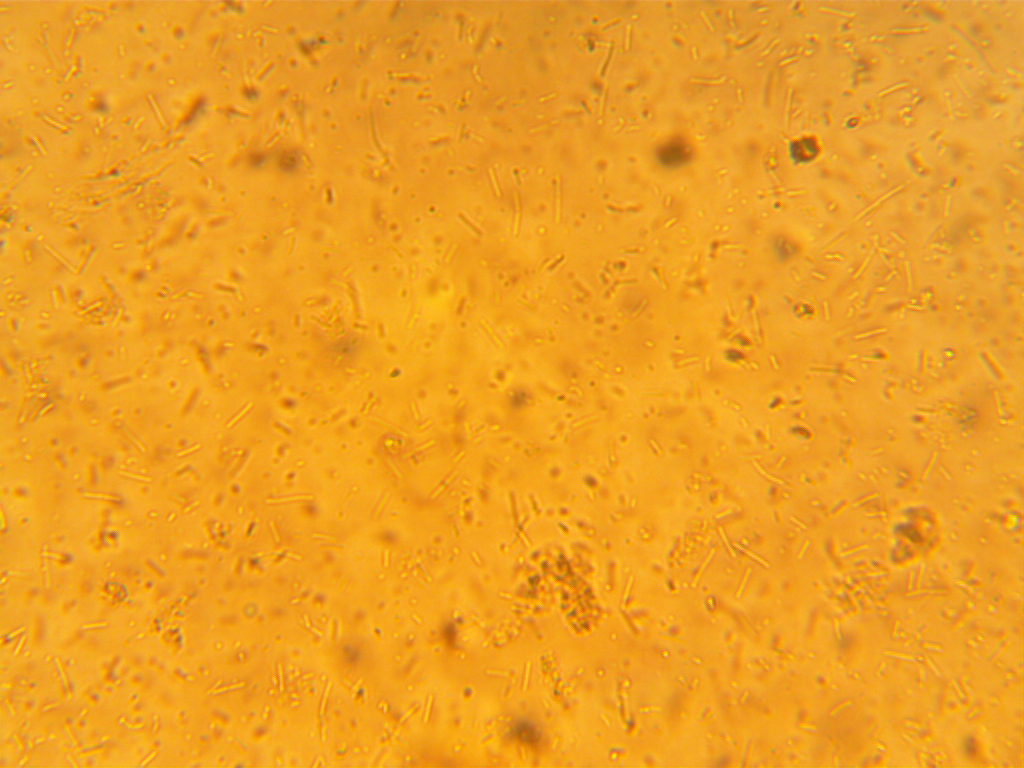
Recent research called the Human Microbiome Project being done at the same scale as the Human Genome Project is telling us more and more about how we co-exist (and frankly would not exist) without bacteria living in our bodies.  The study has discovered “more strains than they had ever imagined — as many as a thousand bacterial strains on each person. And each person’s collection of microbes, the microbiome, was different from the next person’s. To the scientists’ surprise, they also found genetic signatures of disease-causing bacteria lurking in everyone’s microbiome. But instead of making people ill, or even infectious, these disease-causing microbes simply live peacefully among their neighbors.”  The work also helps establish criteria for a healthy microbiome, which can help in studies of how antibiotics perturb a person’s microbiome and how long it takes the microbiome to recover. So what are fermented foods affects on the microbiome?  This type of research tells us that eating fermented foods keeps our bodies and our immune systems fine tuned and healthy.
It also tells us that we need many different types of bacteria to keep our microbiomes healthy.  You have probably already been hearing about the benefits of probiotics and many food products claim to have probiotics in them.  You have also probably taken a probiotic pill before.  While there might be some benefit (vs. doing nothing at all) to eating these types of products, they only cover a very small slice of the types of health promoting bacteria in our microbiomes.  They are not the varied types of bacteria you can produce in lacto-fermentation.  Scientists have even started naming these varied types of probiotics after the food they exclusively exist in – take for example kimchi – scientists named the bacteria found in kimchi – lactobacillus kimchii.
Kimchii

What are fermented foods? Kimchii http://homemademommy.net

 What are the dangers of not eating fermented foods?
Without these enzymes and bacteria we are basically eating ‘dead food’.  Making fermented foods is an artisanal craft and results can be inconsistent – this doesn’t jive well with industrial food where food products are created on a massive scale and need to be uniform.  We have had many decades where this craft is being lost and people are taking antibiotics and totally messing up their intestinal gut flora.  I personally struggled for many years with what doctors told me was IBS (Irritable Bowel Syndrome) which is one of those ‘syndromes’ that doctors name when they have no idea why you have symptoms and they have no drugs to help your symptoms.  What are fermented foods doing for my body? I believe by not eating fermented foods and by killing off good bacteria in my body through antibiotic use, I was allowing much worse bacteria to proliferate causing my personal microbiome to get out of balance.

What are fermented foods flavor profiles?
All of the science aside, I see another really amazing benefit of perfecting your own craft of making fermented foods at home.  One of my new favorite cookbooks is The Flavor Bible.  It is basically a ‘foodie’ chef handbook on which kinds of flavors go together well – it isn’t a book a recipes – it is a book that allows for individual creativity in creating flavor profiles.  According to the book, we technically have only four (or five depending on who you ask) flavor profiles: salty, sweet, sour, bitter and a recent addition to the list, umami (savoriness – think anchovies, blue cheese, or rich broth).  We all know about salty, sweet and bitter foods. But when was the last time you thought about sour foods?  What comes to my mind when I think of sour is lemons or sour candy.  We just don’t eat that many sour foods anymore and we have forgotten what they taste like.  The sour type of taste is described in the book as “second only to salt in savory food and sugar in sweet food in it’s importance as a flavor enhancer.  Sour notes – whether a squeeze of lemon or a drizzle of vinegar – add sparkle and brightness to a dish.  Balancing a dish’s acidity with its other tastes is critical to the dish’s ultimate success.”

  The longer you ferment the vegetable and the type of vessel used changes your result – different flavors, textures and apparently optimized growth of probiotics.  With regular visits to my daughter’s plate of sauerkraut and sour pickles, she has learne


Fermented foods: Sauerkraut
According to Nourishing Traditions“among all of the vegetables that can conserve through lacto-fermentation, cabbage has been man’s preferred choice.  In China, they fermented cabbage 6000 years ago.  In ancient Rome, sauerkraut had a reputation as a food that was easy to digest.  Tiberius always carried a barrel of sauerkraut with him during his long voyages to the Middle East because the Romans knew that the lactic acid it contained protected them from intestinal infections.”  Sauerkraut also owes its reputation to famous navigators of past centuries.  It was taken on long voyages and prevented scurvy in the crew because it preserved sufficient quantities of vitamin C
.
Fermented foods: Pickles
The first time I experimented with a lacto-fermented sour pickle recipe, I was pleasantly surprised to taste what was basically a Jewish deli pickle.  I couldn’t believe it.  These type of pickles are far less acidic than pickles made with vinegar.  It is a very wise habit to eat these type of pickles with preserved meats (like corned beef or pastrami!) because it is “able to dissolve precipitates of uric acid and thus prevents the formation of stones, often caused by meats and sausages, foods rich in uric acid” – Claude Aubert Les Aliments Fermentes Traditionnels.

Fermented foods: Condiments
Ketchup is a great example of a food that was formerly fermented and therefore health promoting, but whose benefits were lost with large scale production (namely giving it a sweet flavor profile to mask what was lost – a very beautifully balanced sour and umami taste).  This is again according to the
 Nourishing Traditions cookbook, ” the word ‘ketchup’ derives from the Chinese Amoy dialect ke-tsiap or pickled fish brine or sauce, the universal condiment of the ancient world.  The English added foods like mushrooms, walnuts, cucumbers and oysters to this fermented brew; Americans added tomatoes from Mexico to make tomato ketchup.  Americans consume one-half billion bottles of ketchup per year.  The chief ingredient of the modern version, after tomatoes, is high fructose corn syrup.”

Fermented foods: Kefir
Kefir Grains

Kefir is believed to have its origins in the Caucasian mountains of the former USSR.  Since then, it has become a popular food and drink in Russia, in Eastern Europe and in many parts of the world.  How is kefir different than yogurt? Both kefir and yogurt are cultured milk products.  Kefir has the advantage because it actually colonizes the gastro-intestinal tract.  Yogurts merely have transient bacteria that provide food for the good bacteria that live in the intestinal tract. Kefir has a long list of symbiotic-type naturally-occurring beneficial bacteria and yeasts – about 35 of them – a great advantage over the laboratory-grown bacteria for yogurt which has only 1 strain to about 5 strains of bacteria or store bought kefir which only contains 10 strains.  Several beneficial bacteria and yeasts found in kefir that flush out destructive pathogenic yeasts in our body are not present in yogurt.  I will explore more about kefir in the second installment of this series: ‘what are fermented foods?’

Back to our original question: What are fermented foods and are they beneficial?
The conclusion is clear.  Fermented foods are highly beneficial.  Fermented foods are traditional, natural and provide us with the probiotics and enzymes we need to function.

Ferment your own veggies

http://www.homemademommy.net


New Raw Cookies, Bonbons, Truffels - free delivery (No sugar, gluten or lactose)


Superfood bon-bons

raw homemade vegan, sugar free, grain free, coconut Bon Bons with Cacao, Chocolate nibs, Chlorella, Goji Berries and Cookie Spice sweetened with green stevia


Christmas Cookies

Raw homemade sugar free, grain free, coconut cookies with Cookie Spice,(cinnamon, clove, ginger) Cacao, Chlorella, Goji Berries, Raw honey and Date - dehydrated 40 degrees celsius 


Winter Treats

raw homemade vegan, sugar free, grain free, coconut Bon Bons with Cacao, Dates, Cinnamon and Cardamom, sweetened with green stevia


Chocolate Chili Truffels

raw homemade vegan, sugar free, grain free, coconut Truffles with Cacao, Chili, Coconut and Dates
 for contactFREE DELIVERY in Amsterdam or Amstelveen area or FREE PICK UP IN AMSTELVEEN go HERE

Kefir Gummie Bears

I used unsweetened cranberry juice in mine (you know that's sour!), but with only three Tablespoons of honey, and the kefir which isn't sweet, the kids loved them!
kefir Gummy Snacks
1 1/14 cup water kefir
1 cup fruit juice or puree
2-3 T. raw honey
6 T. plain gelatin (I use beef gelatin)  -
NOTE-  I adapted this and used agar following the package directions- let cool before adding kefir water
Heat fruit juice/puree in a sauce pan with the gelatin until the gelatin is dissolved. Let cool until still warm, but no longer hot. If it's hot, it kills the good stuff in the kefir, if it's room temp. it solidifies.
Stir in the honey and kefir. Pour into molds or an 8x8 pan. Don't worry about greasing or lining the pan, they'll come out when they're cold.
Turns out, they can eaten  faster than I can pop them out, and I can't actually “pop” them out because the molds are too small and detailed. From here on out, we're using a plain old square pan. smile
Refrigerate for half an hour or so, cut, and dump out of mold. Store in an air-tight container in the refrigerator.
Enjoy!
adapted from - http://frugalfarmwife.com

Enzymes and Rawfoodism


In this day and age we always measure the foods worth by its protein, calories, fat and carbohydrate content. But we forget the most important thing LIVE ENZYMES.
"life is something that has been built up about the enzyme. its a corollary of enzyme activity". Live enzymes are crucial to our health, vitality and beauty. THEY ARE THE CATALYST FOR EVERY HUMAN FUNCTION. There is 5000+ different enzymes.

For example:
1) Live enzymes help repair your DNA.

2) They repair and prevent wrinkles
3) help even out your skin tone
4) Help us assimilate the nutrients in the food
5) help speed up detoxification cause they free up more metabolic energy

we were born with enzymes, but it gets depleted over time by our eating, eating cooked food, lifestyle and lack of Raw nutrition. And the consumption of empty calories and animal products.

Try to eat as much raw fruits and vegetables as you can. Dont be afraid to eat fruit either, they contain the live enzymes that help break down the sugar. SO ITS NOT BAD FOR YOU.

#rawjuiceguru #rawjuicegurutip #liveenzymes #enzymes #raw #vegan#rawvegan


Raw food and enzymes
Kale: great for you raw and cooked. (Photo: rocksunderwater/Getty Images)

“I’ve heard from friends that cooking vegetables destroys all of the enzymes. Should I consider a raw food diet?”

—Ariel Jackson


Raw-foodists eat a diet that consists completely (or mostly) of foods—such as vegetables, fruits, nuts, seeds, and sprouted legumes—that are uncooked. That’s not to say there’s no processing involved. Some warming is allowed, although food can’t be heated above a certain temperature or its natural enzymes are destroyed (more about that later). Most raw-foodists are vegan, but others do eat raw eggs and raw cheese made from raw, or unpasteurized, milk. With all the peeling, chopping, extracting, blending, dehydrating, soaking, fermenting, and grinding that goes on, raw-foodists can spend more time in the kitchen than people who actually cook their meals.


And raw-foodism (aka rawism, live diet, or living diet) is no longer a fringe category in the diet world: A whole new wave of converts has embraced this approach to health and wellness. It’s not new, of course; the history of raw-foodism is too long and colorful to get into here, but its proponents included the English Romantic poet Percy Bysshe Shelley and Swiss physician (and creator of muesli) Maximilian Bircher-Benner, who founded a lifestyle reform movement based on raw food in the late-19th century.


There are many different degrees and versions of a raw foods diet, but, in general, it is rich in fiber, vitamins, minerals, and phytochemicals. Many foods, in fact, are more nutritious when eaten raw, as heat degrades some key players, including vitamins C and B6. Since all highly processed food—i.e., the stuff that fills most supermarket shelves—is off limits, you’re eliminating the saturated fat, trans fats, sugar, sodium, and extra calories that can get you in a boatload of trouble. That alone is huge, in my book. That said, though, raw-foodists, especially those who are vegans or fruitarians, really need to make sure they get enough vitamin B12, calcium, iron, and omega-3 fatty acids.


And, unfortunately, several principles of raw-foodism are based on misunderstandings about basic human biology and nutrition. I don’t have the space or time to go into all of them here, but there are a couple of biggies. One of the major misconceptions is that a raw foods diet is the most “natural” way to eat.


Think about it: We all know the marketing buzzword natural is essentially meaningless, right? Aside from what it signifies on cereal boxes and packages of chicken parts (“precisely nothing” is the correct answer), as I mentioned in a recent column on the Paleo Diet, early humans survived and thrived on many different diets. And just a few years ago, renowned Harvard primatologist Richard Wrangham made the compelling case that learning to cook food was the catalyst in human evolution. In Catching Fire: How Cooking Made Us Human, he argued that cooked food, with its high caloric density and high digestibility, enabled us to evolve our large brains and made us the species we are today. “Fossil evidence indicates that this dependence arose not just some tens of thousands of years ago, or even a few hundred thousand,” he wrote, “but right back at the beginning of our time on Earth, at the start of evolution.” We’ve had plenty of time to adapt, in other words.


Raw food diets have often been reported in nonindustrialized societies. Perhaps the most famous example of this occurred in the 1940s, when nutritionist Edward Howell (more about him in a minute) popularized the notion that the traditional Inuit diet was dominated by raw foods. Upon further study, however, that and other, similar, claims have been found to be exaggerated or false. Inuit men on the hunt would eat raw fish, for instance, and some soft (i.e., spreadable) foods such as blubber and liver were preferred raw, but a substantial cooked meal was the norm at night.


One benefit of cooking, by the way, is that it breaks apart cell walls in foods to release carotenoids that are otherwise unavailable. The carotenoid lycopene, for instance, is four to five times higher in cooked tomatoes than in fresh. As far as spinach goes, cooking both increases the lutein and beta-carotene and reduces the chemicals that inhibit the absorption of calcium and iron. Of course, boiling vegetables to death is going to have a negative impact on their nutrients, and overindulging in char-blackened red meat—which contains carcinogenic compounds called heterocyclic amines—may increase risk for some cancers. But that’s where different cooking techniques come in handy: Steam, sauté, quick-braise, or stir-fry veggies, and perhaps slap fish on the grill instead of a steak.


Another fallacy revolves around enzymes, a special type of protein. All living organisms contain thousands of different enzymes, and each one triggers a very specific biochemical reaction. Central to raw-foodism is the near-mystical belief that the enzymes in raw food carry a “life force” that leads to increased vitality and other health benefits. This sciencey-sounding theory stems from the aforementioned Edward Howell, whose sources from the 1920s and ’30s were invalidated long ago. It is perfectly true that cooking destroys the enzymes in food, but you know what? It doesn’t matter.


7 Diet Myths Debunked!


First, the enzymes in plants are for the plants. They help with germination, photosynthesis, respiration, decomposition, and so on. They cannot help with any human body functions, including digestion. Our bodies produce their own digestive enzymes for that, about 22 of them. Second, the hydrochloric acid your stomach produces to break down food is so concentrated that one drop will eat a hole in a piece of wood. Very few of the enzymes in raw foods make it through that acid bath into the intestines, where nutrients are absorbed. Don’t believe me? Want to see my sources? Pick up any high-school biology textbook.


So what’s the take-away? Because many foods are more nutritious when eaten raw, it’s a smart idea to work them into your daily routine; raw nuts and cruciferous vegetables like kale, broccoli, and cabbage are a great place to start. And a diet that includes lots of plants, whether raw or cooked, is undeniably healthful. But the more outlandish raw-foodism claims are not borne out by legitimate science.


http://www.takepart.com


Virtually all living things—including those we cook and eat—contain enzymes. Enzymes, which act as the spark plugs for the vast majority of chemical reactions that make life possible, are asine qua non for life.


Although most food eaten in the United States has been cooked, which inactivates the enzymes it contains, all the plant and animal foods in our meals are derived from once-living, enzyme-abundant things.


Over 2,500 different kinds of enzymes are found in living things. All enzymes are proteins, very special kinds of proteins that act as catalysts. Enzymes give our body chemistry its vitality, literally giving our metabolism a jump start. Plus, as molecules that enable the breaking down of our food, they also play a critically important role within our digestive system. Enzymes in our saliva allow us to break apart starches. Enzymes in our stomach help us break apart proteins. Enzymes in our intestines help us break apart fats, proteins, and carbohydrates of all kinds.


When we eat fresh, uncooked foods, those foods can still contain active enzymes. When we chew a freshly picked leaf of lettuce, we break the cells in the leaf apart, releasing its nutrients, including enzymes. Enzymes are not automatically destroyed by the acids or temperatures in our digestive tract. Enzymes in the stomach—called gastric enzymes—are specially designed to function in the stomach's extremely acid conditions and are critical to our health. Our bodies can overheat from fever, extreme exercise or summer weather, but not to temperatures that will prevent the enzymes inside us from continuing to function.

Our digestive tract has specialized areas for absorbing large molecules, including enzymes (which are proteins), from food into our bloodstream. These areas house our M cells. M cells are specialized cells designed to selectively deliver large molecules from our intestines into our cells and bloodstream. The passing of enzymes from a mother to her nursing newborn is a good example of this M cell function. A mother's milk contains the milk sugar, lactose. An enzyme called lactase is needed to digest lactose, but an infant's body is not yet capable of manufacturing this enzyme. So, the mother sends lactase along with her milk, and in this way enables the baby to digest and absorb its lactose.


Ordinarily, we cook food at temperatures at least twice that of normal body temperature. For this reason, fresh, raw plant foods are our primary source of food enzymes. (Due to their high potential for bacterial contamination, most animal foods would be too risky for us to eat raw). While there have been no large scale, controlled studies to document the impact of enzyme-containing, fresh, raw plant foods on digestion and health, practitioners in fields of complementary, natural, and functional medicine have used enzyme supplementation successfully to help treat a wide variety of health problems and have long advocated the inclusion of fresh, organic, raw plant foods in the diet.


http://www.whfoods.com

Avocado Chocolate Mousse Cake with Goji Berries


Avocado Chocolate Mousse Cake with Goji Berries

recipe image

Description

When a raw chocolate dessert this delectable falls on our path we can't help but do a little happy dance. This particular recipe just so happens to feature another one of our most beloved superfood favorites as well: the goji berry. Oh, and there's avocado in it! A complete trifecta of goodness. Thank you so much to Emily Von Euw of This Rawsome Vegan Life for inspiring us once again with a delicious dessert fit for a king. 

Ingredients

At a glance
Cakes & Pies
Makes
1 large springform cake
Crust:
1 cup walnuts
1 cup raisins

Mousse cake:
2 avocados
1/4 cup melted coconut oil
3 tablespoons cacao powder
2 tablespoons maca powder
1 teaspoon vanilla powder
3-4 tablespoons coconut nectar or date paste 
Pinch of salt

Topping:
1 tablespoon each of almond butter, cacao powder (raw-bio-cacaopoeder). and coconut nectar
1/4 cup dried goji berries 

Methods/steps

To make the crust:
1) pulse the walnuts into powder in a food processor, then add the raisins and process until it begins to stick together. Press into the bottom of a small spring form pan. Put in the fridge.


To make the cake:
1) blend or process all the ingredients until smooth and thick. Spread evenly on your crust and refrigerate for 3 hours or overnight. 


When ready to serve:
1) take our your cake. Make the chocolate sauce by stirring the almond butter, cacao powder and coconut nectar together until smooth.
2) Drizzle over your cake and garnish with goji berries. Slice. Ain't it nice? Oh, I also sprinkled some chia seeds on there.

Additional Tips

Recipe by Emily Von Euw:
http://www.thisrawsomeveganlife.com/

Herbal Options for Managing Adrenal Fatigue


Herbal Options for Managing Adrenal Fatigue

Think of adrenal fatigue as the "waiting room" for type-2 diabetes, hypothyroidism and heart attack. As a disease classification, it hangs out there with other "pre-" conditions like"pre-diabetes" and "pre-hypertension," and is a strong indicator of which direction a patient's health is headed; namely, down.
The exhaustion of the body's ability to react to the signals from the brain and pituitary gland inevitably contributes to disease states like type-2 diabetes, hypertension, and hypothyroidism. Because adrenal fatigue affects a cluster of body systems, treatment is incomplete if it just targets individual, dysfunctional pathways.
Adrenal fatigue patients can present with any of the following symptoms: constant tiredness, need for extra sleep, inability to cope with stress, reduced libido, low back pain in the area of the kidneys, sighing, yawning, recurrent infections, irritability, moodiness, and cravings for sweet foods.
It is important to differentiate adrenal fatigue from chronic fatigue syndrome, which is typically a post-viral fatigue syndrome characterized by disabling fatigue occurring chronically, after minimal exertion, and with duration of at least six months (Warrell DA, Cox TM, Firth JD, et. al. Oxford Textbook of Medicine. 2003: 860).
Saliva testing for cortisol levels and measurement of thyroid hormones in the blood are essential to establish the baseline diagnosis and to confirm the dysregulation within the endocrine system. But thorough treatment of a complex and sometimes tricky condition like adrenal fatigue involves more than simply boosting cortisol orother hormones. One needs to treat these patients with substances that simultaneously restore balance in multiple physiologic systems, in a multifaceted, complex way.
Why herbs?
ginseng
Ginkgo (ctr) and Ginseng are key adrenal support herbs (Antaratma Images/Dreamstime.com)
When a human body isn't functioning optimally, it is seldom the fault of a single dysfunctional pathway. More often, there are dysfunctional cascades occurring that criss-cross multiple pathways. Hormones exert their effects in large part as a result of their interaction with each other: For example, elevated estrogen will increase sex hormone binding globulin (SHBG), which will in turn, decrease thyroid hormone receptor activity.
Drugs typically regulate single, isolated pathways, and they can effectively manage one component or symptom, but may do little to improve the underlying multi-organ dysfunction. Herbs, however, contain multiple physiologically active compounds and bioactive metabolites that affect multiple pathways and physiological systems.
Herbal medicine is older than human civilization – animals as diverse as primates, deer, rhinoceros, and wolves deliberately consume plants to deal with bacteria, viruses, parasites, or worms (Engel.Veterinary Herbal Medicine.2007: 7-15).
Humans, too, have a long history of consuming plants to support health. Common herbs like Rhodiola, Korean Ginseng and Ashwaganda are excellent examples of plants that help the body maintain homeostasis, in part by managing cortisol. Traditional healers understood that nature has provided plants with complex biochemical systems for regulating their own physiology and increasing their odds of survival. When these biochemical components are then consumed by humans, they sometimes give the same effects and render the same benefits.
Assembling the Adrenal Puzzle
cortisol_molecule
Molecular structure of cortisol
Adrenal exhaustion is complex, and requires a comprehensive, full-body diagnostic approach. You can use both phenotypic characteristics (weight, belly fat, hair loss), as well asreported symptoms (cold, irritability, fatigue, mild depression, chronic illness) to support diagnosis. Assessment of the patient's pattern of cortisol secretion can also be helpful.
Cortisol secretion is cyclic: rising in the morning and slowly falling in the evening. Salivary cortisol tests are a comprehensive, convenient, and cost-effective method for determining how much cortisol is circulating. This hormone enters the cells lining the salivary glands via passive diffusion. This process prevents proteins or protein-bound molecules from entering saliva, so cortisol measured in saliva is the active or "free" fraction.
In my opinion it is a reliable way to diagnose adrenal gland status. Based upon the results, I can usually make specific herbal and nutritional recommendations.
Herbs for adrenal health are best used in combination, and these combinations need to be individualized and tailored to each patient's specific needs and contraindications. For simplicity's sake, there are two ways to think about herbal treatment for adrenal fatigue: Herbs can be used to modulate adrenal secretion (i.e., a "tonic" approach) or to increase the body's ability to respond to stress (an"adaptogenic" approach).
What follows is a brief review of some of the most common and clinically effective herbs used in the treatment of adrenal fatigue.
Licorice (Glycyrrhiza glabra and G. uralensis) is truly a friend to the adrenal cortex. A staple of traditional medicine for adrenal insufficiency and ulcers, this herb contains triterpenoid saponins that influence cortisol-cortisone balance throughout the body. Glycyrrhizin is the main active compound in licorice. At higher amounts, however, it has a strong effect on the kidney and allows cortisol to interact with aldosterone receptors, which affects sodium/potassium balance and increases blood pressure. For this reason, patients taking higher amounts of licorice need to be monitored closely.
More is not always better and the adrenal benefits of licorice root are achieved with doses in the range of 1.75 - 5.25 g per day. Using standardized extracts, this equates to approximately 25-75 mg per day. Licorice root in tablet form, twice per day, morning and evening, usually delivers the proper dose level. Good quality liquid extracts are also available, and should contain around 30mg/mL glycyrrhizin.
Licorice has been positively linked to a range of other health benefits including better blood glucosecontrol and fat modulation, improved iron absorption, reduction of coughing, improved female hormone balance, decreased inflammation, healing of the gut lining, and mucoprotection (Mills S, Bone K.Principles and Practice ofPhytotheraphy. 2000: 465-75). The latter requires up to 15 g per day of a de-glycyrrhizinated licorice extract.
Ginkgo (Ginkgo biloba) is a common herb well known for its ability to enhance peripheral circulation and for its neuroprotective effects. Often overlooked is the fact that Ginkgo can favorably affect stress levels. In one study, it lowered cortisol levels in healthy patients undergoing glucose tolerance testing (Kudolo GB. Clin Nutr. 2006. 25(4) 606-16).
Ginkgo is commonly thought to be blood thinning; however, a recent meta-analysis showed that Ginkgo extract did not increase the risk of bleeding(Kellermann A, et al. Pharmacotherapy. 2011 May;31(5): 490-502).
Not all Ginkgo extracts are the same. I recommend products that are standardized to 24% ginkgo flavones and glycosides, and 6% ginkgolides and bilobalides. Ginkgo in tablet form is easiest to prescribe, however some older patients may have difficulty swallowing tablets, so a standardized liquid extract may be preferrable. Tablets and liquids are equipotent as long as they are standardized properly. Clinical studies validate the use of ginkgo extract in the dose range of 120 - 240 mg per day. It can be given in divided doses, i.e. morning and evening, either with or without food.
Ashwagandha(Withania somnifera) root comes from India's Ayurvedic medicine tradition. It is particularly useful for stress-induced sleeping problems. Interestingly, recent East Indian trials showed that Ashwagandha improves both DHEA-S and testosterone levels (Ahmad MK, et al. Fertil Steril.2010. 94(3):989-996; Mahdi AA, et al. eCam. 2009.8; Auddy B, et al. J Am Nutraceutical Assoc. 2008.11(1):50-56).
Ashwagandha is available in tablet, capsule and liquid forms. Withanolides, a type of alkaloid, are thought to be the main active compounds in Ashwagandha. This is a high-dose herb: we typically use an extract equivalent to 2 g of the whole root twice daily. Traditional Ayurvedic practitioners sometimes use up to 7 g per day. If insomnia or sleep maintenance are an issue for a particular patient, I advise taking Ashwagandha immediately prior to bedtime.
Korean Ginseng (Panax ginseng): The main root (not the lateral roots or root hairs) of this plant is traditionally used in western herbal medicine to remedy physical or mental exhaustion, lowered immunity and to facilitate adaptation to stress. In Traditional Chinese Medicine (TCM) it is considered a key herb for reinforcing vital energy and longevity (Mills S, Bone K. Principles and Practice of Phytotheraphy.2000: 418-30).
Recent human studies have expanded the therapeutic uses of Korean Ginseng to include improvement of insulin sensitivity, increased cerebrovascular circulation, better memory, improved cell-mediated immune function and reduced incidence of the common cold, reduced DNA oxidative damage in smokers, and symptom improvement in patients with depression, headache, insomnia and fatigue in women with menopausal symptoms (Morgan M. APhytotherapist's Perspective #137. June 2011. www.mediherb.com).
The evidence is in favor of using standardized main root extracts. The recommended dose is 100 mg, 1-4 times daily. Patients with insomnia should take Panax ginseng no later than midday. For those without sleep problems, morning and early evening doses are usually well tolerated.
Eleuthero (Eleutherococcus senticosus) is an adaptogen herb used to support cognition, alertness, immune function, and physical stress. The most recent research on adaptogens views them as stress mimetics and focuses on their ability to increase levels of stress protective heat shock proteins. In other words, adaptogens act like mild stressors to the body, and the body's protective response is what accounts for the therapeutic benefits (Panossian A, Wikman G. Curr Clin Pharmacol. 2009.Sep;4(3): 198-219).
People often ask if thereis a difference between Eleuthero and Panax Ginseng. The benefits of both herbs are similar and very complementary. However, there are differences: Eleuthero is suggested for patients who are stressed and/or suffering recurrent infections; Panax is best for older patients (40+) as a whole body and healthy aging tonic.
Rhodiola (Rhodiola rosea) is another adaptogenic herb with a long history of traditional use. It also has a number of positive human trials in the areas of stress and fatigue management, enhancement of mental performance and treatmentof mild depression. Rhodiola exerts these beneficial effects by regulating key mediators of the stress response including cortisol, nitric oxide, molecular chaperones (HSP70) and stress activated protein kinases.
The anti-depressive effect is in part associated with its effect on monoamine oxidase A and up-regulation of HSP70. (Panossian A, Wikman G, Sarris J.Phytomedicine. 2010: 481–493). Rhodiola has been used successfully to increase stamina, prevent fatigue, improve mental function, reduce anxiety and ameliorate symptoms of mild depression. It combines well with Ginseng for additional vitality and endurance. I typically use 3-12 g per day of a high-quality Rhodiola rosea root extract, containing rosavins and salidroside.
Rehmannia (Rehmannia glutinosa) is an herb used extensively in Chinese medicine. It is similar to licorice and can be used as both a tonic and as specific support for the adrenal glands. It is helpful for people suffering general debility, adrenal depletion, and poor immune system function, specifically in the contextof autoimmune disease. I generally recommend 750 – 2,250 mg per day of a standardized extract in tablet or liquid form. Up to 4 g per day are used traditionally (Mills S. Bone K. Principles and Practice of Phytotheraphy. 2000: 519-522).
 Astragalus(Astragalus membranaceus) also comes to the West through its long use in Chinese medicine. It is typically used in combination with other herbs, especially Rehmannia and Eleuthero. Astragalus is both a tonic and an adrenal support herb. Its key bioactive components are polysaccharide fractions, isoflavonoids, saponins, triterpenoids, and gaba-aminobutryic acid. These substances can affect growth hormone levels, blood glucose, general inflammation, blood pressure, blood flow, and water balance in the body (Mills S, Bone K. Principles and Practice of Phytotheraphy. 2000: 273-77).
Astragalus can be combined with Eleuthero and Echinacea for patients who are 'run down' and experiencing recurrent respiratory infections. Combination formulas containing these three herbs are available, in both liquid and tablet form. Recommended daily dose is between 2.5 - 3.4 g. Patients will typically start to feel the benefits in 4-8 weeks.
Putting the Herbs to Work
All of these herbs have diverse qualities which can be combined depending on a patient's specific conditions and desired health goals. Licorice may provide immediate relief with quick, noticeable results. Gingko is excellent for enhanced blood flow and anti-oxidant protection. Ashwagandha supports the restoration of inner core for strength, libido, and endurance. Korean Ginseng is excellent for supporting adrenal and thyroid function.
The combination of Ashwagandha and Korean Ginseng is excellent if a patient's budget is tight. Each has adrenal restorative properties on its own, but they complement each other when combined. Another good budget option is Eleuthero, as it can beuseful to boost energy. Rhodiola may help for improving mood, depression and libido, and it cannot be beat for improving mental clarity!
Rehmannia can be effective for reducing inflammation and adrenal fatigue from a hypothyroid and hyperthyroid etiology. It also contains multiple naturally-occurring vitamins, giving it added value. Astragalus is helpful in supporting patients who feel tired, trying to struggle through their days.
Patients may experience many different outcomes when taking these herbs. For some, the benefit shows up as "not feeling tired and not crying for no reason." Others experience improved energy, absence or lessened depression, elimination of hopelessness, and an ability to think clearly and solve complex decisions. Normalizing cortisol secretion over the course of the day will often improve sleep patterns, as a result of the natural drop in cortisol at bedtime.
It took a lot of stress to reach the point of adrenal fatigue, and the problem cannot be resolved overnight. Patients need to understand that herbal therapies for adrenal fatigue usually require 30 to 60 days for noticeable effects. For some, the chronic cloud of exhaustion and helplessness may lift in about 30 days, but many will need to continue on for another 30 days before they really start to feel better.
Getting Patients Out of the "Waiting Room"
If adrenal fatigue is, indeed, the "waiting room" for more serious disorders, your goal as a clinician is to help the patient back through the front door and into healthy living. Herbal interventions are only part of the treatment plan. Patients must also learn to better manage their stress, set regular patterns for sleep, work, and meals; exercise every day (aerobic every day, strength training every other day); and add 15 to 30 minutes of relaxation (meditation, relaxing leisure activity) into their daily schedules.
I also recommend that patients avoid caffeine, sugar (especially juice, soda, and alcoholic beverages), deep-fried food, and processed meats and cheeses. Vitamin C is essential in adrenal restoration as vitamin C is consumed voraciously by the adrenal gland.
It is very important to help these patients to look at their physical and mental stressors, and to figure out ways to modify to decrease elevated cortisol. Lifestyle factors cause the stress that feed the vicious circle of endocrine instability.
That said, without help, sleep, and in some cases supplements, very few people are able to actually change their cortisol triggers. A low glycemic diet and exercise are essential for stress (cortisol) reduction and they're likely to have their greatest impact in early-stage adrenal fatigue, before the patient progresses into debilitating chronic fatigue syndrome and fibromyalgia.
It is important to understand---and help patients understand---that the hormonal and physiological processes underlying this condition are cyclic and inter-connected: increased cortisol leads to increased adrenaline, which over time leads to dysregulation of glucose metabolism. This domino effect of hormone dysregulation typically results in obesity and thyroid dysfunction, via enhanced production of even more cortisol.

Michael Greer, MD, is an integrative medicine specialist

Make Peace With Food

Amazon